
In many universities, engineering and the humanities are treated as entirely separate worlds. Engineering is associated with technical precision and machinery, while the humanities are linked to philosophy, ethics, and communication. However, this traditional divide overlooks a fundamental reality: engineering is not merely about building systems, but about understanding the people who use them.
Engineering is Fundamentally About People
Modern society is hard-wired for technology, yet every technological invention exists within a social ecosystem. A bridge does more than support weight; it connects communities and fuels economic growth. A medical device is more than hardware; it is a lifeline.
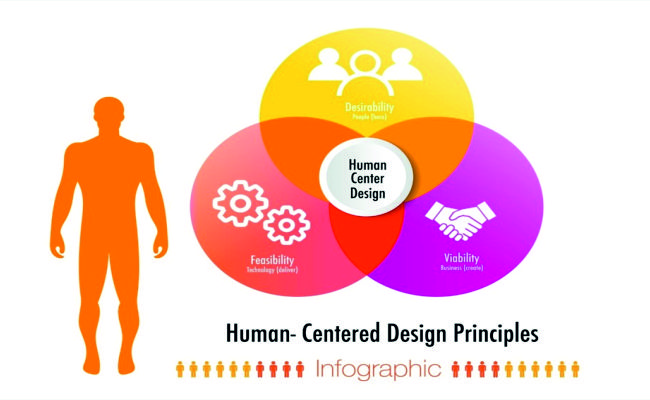
By integrating humanities into our curriculum at AIMT, we move beyond functional design toward “Human-Cantered Design.” This ensures that our engineers create products that are not just technically efficient, but accessible, ethical, and practical for diverse populations, including the elderly and disabled.
Bridging the Communication Gap
A common misconception is that engineers work in isolation. In reality, large-scale projects—from aircraft to renewable energy systems—depend on seamless collaboration between engineers, clients, and government officials.
- Clarity in Crisis: Technical expertise is a liability if it cannot be communicated. Historical failures, such as the Boeing 737 MAX incidents, highlight that organizational culture and poor communication can be as catastrophic as mechanical errors.
- Leadership Evolution: As engineers transition into management, emotional intelligence and conflict-resolution skills become as vital as coding or calculus.
Ethics, Responsibility, and Social Impact
As technology like Artificial Intelligence and surveillance systems becomes more powerful, the question shifts from “Can we build it?” to “Should we build it?”
- AI and Bias: Biotechnological advancements and AI algorithms must be scrutinized for racial and gender bias to prevent social polarization.
- Public Safety: Ethical awareness ensures that infrastructure projects, such as those seen in the Flint water crisis, prioritize community health and long-term welfare over short-term financial efficiency.
Innovation Through Interdisciplinary Thinking
Creativity flourishes at the intersection of Art and Assembly. Engineers exposed to literature, history, and art are better equipped to:
- Think Adaptively: Approach technical challenges through diverse cultural and historical lenses.
- Design Sustainably: Balance economic efficiency with environmental protection and public well-being.
- Solve Global Challenges: Address complex 21st-century issues like climate change and cybersecurity, which require cooperation across science, politics, and sociology.
Conclusion: Preparing the Future-Ready Engineer
The integration of humanities does not reduce the importance of technical training; it strengthens it. At AIMT, we are committed to producing professionals who are not just technical experts, but thoughtful communicators, ethical decision-makers, and socially aware leaders.
The most successful engineers of the future will not simply build advanced hardware; they will build technologies that improve human life in meaningful and responsible ways. By bridging the gap between engineering and the humanities, we prepare our students to create a future that is both innovative and humane.