
The Crisis of Plastic Accumulation
Plastic pollution has become one of the most pressing environmental challenges of the modern era. Every year, staggering quantities of plastic waste are discarded into our rivers, oceans, and landfills. While plastic is valued for being lightweight, durable, and inexpensive, its greatest strength is also its environmental curse: most plastics do not decompose naturally and persist in the environment for centuries. This accumulation causes irreversible harm to wildlife, disrupts delicate ecosystems, and poses significant risks to human health through the infiltration of microplastics into the global food chain.
The Rise of Biotechnological Intervention
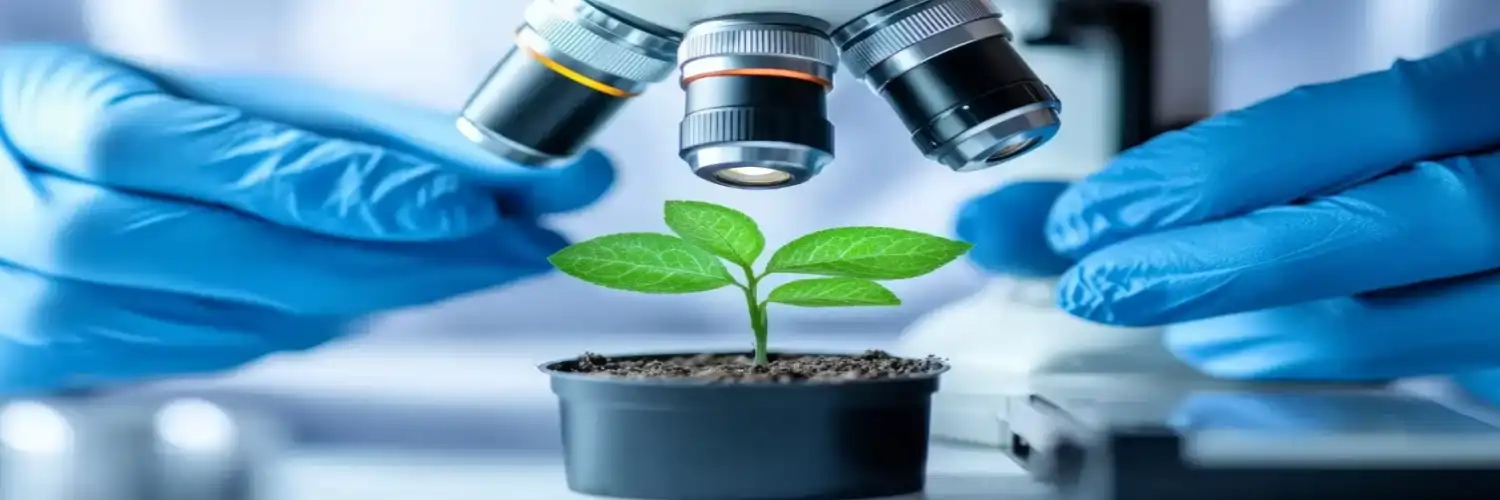
In recent years, biotechnology has emerged as a sophisticated, eco-friendly approach to waste management. At Ambalika Institute, particularly within our MCA and Engineering departments, we emphasize the role of microorganisms, enzymes, and biological engineering in developing sustainable solutions to mitigate this global crisis.
- Development of Biodegradable Plastics
One of the most significant innovations is the transition toward biodegradable plastics. Unlike conventional petroleum-based products, these are derived from natural resources such as starch, cellulose, and vegetable oils. Under the right conditions, microorganisms convert these materials into harmless substances like water and carbon dioxide. While production costs are currently higher than traditional plastics, ongoing research is steadily making these alternatives more commercially viable and accessible.
- Microbial Degradation: Nature’s Recyclers
Biological researchers have identified specific bacteria and fungi capable of “digesting” complex plastic polymers. A landmark example is the bacterium Ideonella sakaiensis, which produces specialized enzymes to break down PET plastic—commonly used in bottles—into its original chemical building blocks. Enhancing these microbial processes through genetic engineering offers a path toward industrial-scale plastic degradation that does not produce toxic byproducts.
- Enzyme-Based Recycling & The Circular Economy
Traditional recycling often relies on high-energy, chemically intensive processes. Enzyme technology, however, acts as a biological catalyst to accelerate chemical reactions at lower temperatures. By breaking plastic down into its monomers, we can support a circular economy—where plastic is treated as a renewable resource rather than a disposable waste product.
The Road Ahead: Challenges and Responsibility
Despite these scientific advancements, technology alone cannot solve the crisis. At the institutional level, we believe that academic seminars, workshops, and awareness campaigns are essential to fostering responsible behaviour.
- Public Awareness: Individuals must reduce reliance on single-use plastics and adopt eco-friendly alternatives in daily life.
- Institutional Role: Departments should lead by example through proper waste segregation and the promotion of sustainable industrial practices.
- Global Cooperation: Long-term success depends on a combination of scientific innovation, robust government policy, and international funding to build the necessary infrastructure for these “green” technologies.
Conclusion
Plastic pollution is a multifaceted challenge that requires a multifaceted response. Biotechnology provides the tools—from microbial degradation to biofuel production—but the solution requires consistent human intervention. By combining cutting-edge biological research with informed public behaviour and strict environmental policies, we can navigate toward a cleaner, healthier, and more sustainable future.