Author: Mr. Aman Saini, Department of Civil Engineering
The architecture, engineering and construction (AEC) industry is undergoing a major digital transformation. Traditional Building Information Modelling (BIM), once viewed primarily as an advanced 3D visualisation tool, is now evolving into a dynamic, data-driven ecosystem known as BIM 2.0. This next-generation approach integrates Artificial Intelligence (AI) and the Internet of Things (IoT) to create intelligent, connected and adaptive built environments throughout their entire lifecycle.
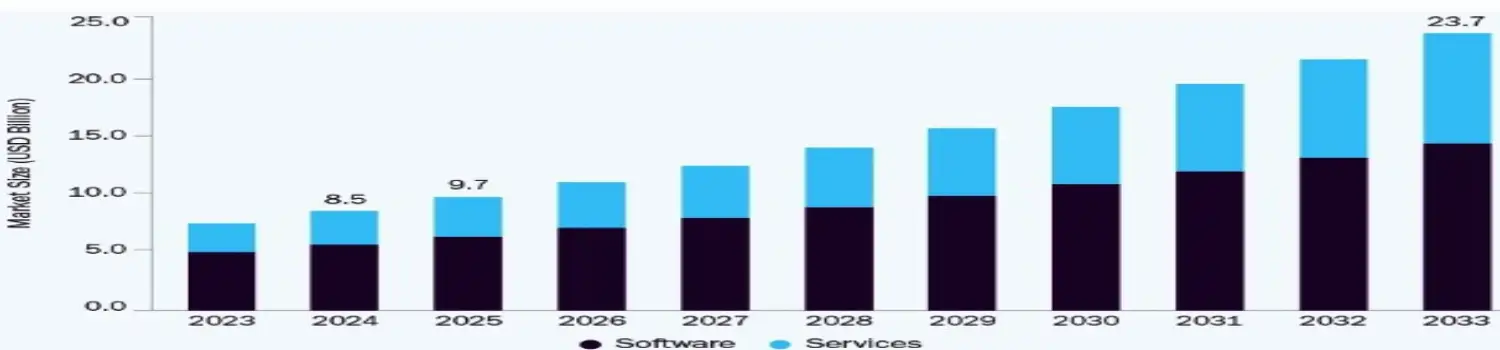
Figure 1: The global BIM market is projected to grow significantly, from USD 7.2 billion in 2023 to USD 23.7 billion by 2033, driven by increasing demand for advanced digital construction solutions.
From Static Models to Intelligent Systems
Traditional BIM models primarily focus on design and construction phases, offering limited functionality once a project is delivered. BIM 2.0 addresses this limitation by transforming static models into intelligent systems that continuously interact with real-world conditions.
By integrating AI and IoT technologies, BIM models are no longer passive representations but active systems capable of learning from operational data, predicting future outcomes and supporting informed decision-making throughout the building lifecycle.
The Role of Artificial Intelligence in BIM 2.0
Artificial Intelligence is significantly enhancing BIM capabilities by introducing automation, predictive analytics and intelligent decision support.
Generative Design
AI-powered generative design tools allow engineers and architects to explore thousands of design alternatives based on defined constraints such as cost, structural performance, energy efficiency and occupant comfort. This reduces manual effort and enables faster identification of optimal design solutions.
Predictive Project Management
Machine learning models analyse historical project data to forecast delays, cost overruns and resource constraints. This allows project managers to proactively address risks before they escalate, improving efficiency and reducing financial losses.
Automated Clash Detection
While traditional BIM identifies design conflicts between systems, AI enhances this process by prioritising clashes based on severity, recommending solutions and learning from past project resolutions. This reduces rework and improves coordination efficiency.
Intelligent Facility Management
AI integrated with BIM supports predictive maintenance by identifying potential equipment failures, optimising maintenance schedules and improving asset management. This shift from reactive to predictive maintenance significantly extends asset life and reduces operational costs.
IoT: Bringing Buildings to Life
While AI provides intelligence, the Internet of Things supplies the real-time data that powers BIM 2.0. IoT devices such as sensors, smart meters, cameras and connected systems continuously monitor building performance. These devices capture data on temperature, humidity, occupancy, energy usage, structural health and indoor air quality.
Real-Time Monitoring
Facility managers can visualise live building conditions within BIM environments. For instance, unusual energy consumption patterns or HVAC inefficiencies can be detected instantly, enabling timely corrective action.
Structural Health Monitoring
IoT-enabled sensors embedded within infrastructure monitor stress, vibration, displacement and material degradation. When integrated with BIM, this data provides engineers with a comprehensive view of structural integrity, enhancing safety and maintenance planning.
Enhanced Occupant Experience
Smart buildings equipped with occupancy sensors can automatically adjust lighting, ventilation and temperature based on usage patterns. This improves occupant comfort while reducing unnecessary energy consumption.
BIM 2.0 and Digital Twins
One of the most important outcomes of integrating AI and IoT with BIM is the development of digital twins. Unlike traditional BIM models, digital twins remain continuously synchronised with physical assets through real-time sensor data.
These systems allow stakeholders to simulate scenarios, optimise performance and improve decision-making across sectors such as airports, hospitals, manufacturing plants and smart cities. Digital twins are becoming essential tools for enhancing operational efficiency and resilience in complex infrastructure systems.
Challenges to Adoption
Despite its advantages, BIM 2.0 adoption faces several challenges. Data interoperability remains a key issue, as different software platforms often struggle to communicate effectively. Cybersecurity risks also increase as more connected devices are introduced into infrastructure systems.
Successful implementation requires investment in workforce training, standardised data protocols and robust cybersecurity frameworks to ensure secure and efficient data exchange across systems.
The Future of the Built Environment
BIM 2.0 represents a fundamental shift in how buildings are designed, constructed and operated. It moves the industry towards intelligent, adaptive and sustainable infrastructure systems. As AI technologies advance and IoT devices become more affordable, buildings will increasingly function as responsive systems capable of adjusting to user needs and environmental conditions in real time.
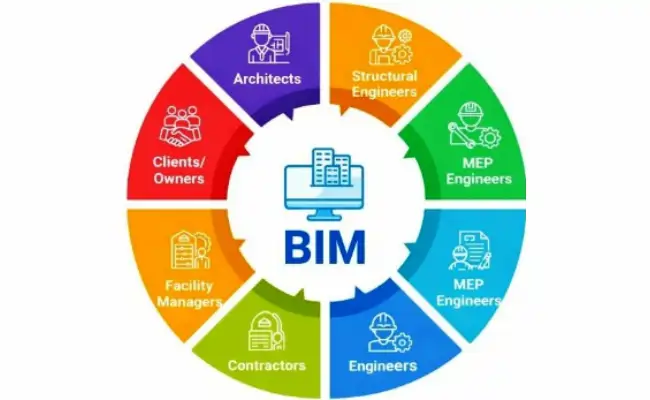
Figure 2: A collaborative BIM ecosystem illustrating the integrated roles of architects, engineers, contractors and facility managers across the project lifecycle.
Conclusion and Academic Perspective
The evolution of BIM into BIM 2.0 marks a significant milestone in the AEC industry. It highlights the transition from static modelling to intelligent, data-driven environments that enhance efficiency, safety and sustainability.
For students pursuing careers in architecture, civil engineering and construction management, understanding BIM 2.0, AI and IoT is becoming essential. Modern engineering education now extends beyond traditional design principles to include digital competencies required for intelligent infrastructure development.
Institutions such as Ambalika Institute of Management & Technology, recognised among leading engineering colleges in Lucknow for B.Tech programmes, are contributing to preparing future engineers for this rapidly evolving digital landscape.