 Author: Mrs. Himani
Technology has transformed the way we live, learn, and work. Every time you stream a video, send an email, store photographs in the cloud, or use an AI-powered application, data centres around the world are working continuously behind the scenes. While these digital services offer immense convenience, they also consume significant amounts of electricity and computing resources. As our dependence on technology continues to grow, so does its environmental impact.
This is where Green IT, also known as sustainable computing, becomes increasingly important. It focuses on designing, developing, and using technology in ways that minimise environmental harm while maintaining performance and innovation. For engineering students, Green IT is no longer just an environmental concern—it is becoming an essential aspect of modern technology development and a valuable professional skill.
What Is Green IT?
Green IT refers to the practice of reducing the environmental impact of information technology throughout its entire life cycle. This begins with the responsible manufacturing of electronic devices, continues through their efficient use, and extends to their proper disposal or recycling at the end of their useful life.
Sustainable computing involves a wide range of practices, including developing energy-efficient software, manufacturing environmentally friendly hardware, reducing electronic waste, optimising cloud infrastructure, and operating energy-efficient data centres. The objective is simple: technology should continue improving lives without placing unnecessary pressure on natural resources.
Rather than viewing sustainability as an obstacle, Green IT demonstrates that environmentally responsible engineering can also improve efficiency, reduce costs, and encourage innovation.
Why Green IT Matters More Than Ever
The rapid growth of cloud computing, artificial intelligence, video streaming, and digital communication has significantly increased global demand for computing power. Data centres now consume a considerable share of the world’s electricity, and this demand continues to rise as digital technologies become more widespread.
Every online search, AI-generated response, video conference, and cloud backup requires processing power. Individually these actions appear insignificant, but collectively they require enormous computing infrastructure operating around the clock.
At the same time, millions of computers, smartphones, tablets, and other electronic devices are discarded every year. When electronic waste is not managed responsibly, it contributes to pollution and the unnecessary loss of valuable materials.
Governments, businesses, and consumers are therefore placing greater emphasis on reducing carbon emissions and improving sustainability. Organisations increasingly seek engineers who understand not only how to develop technology but also how to make it more energy-efficient and environmentally responsible.
Real-Life Example: Smarter Data Centres
One of the most impressive examples of Green IT can be found in modern data centres. Large server facilities generate substantial amounts of heat and traditionally require powerful cooling systems that consume significant energy.
Today, many organisations use artificial intelligence to monitor temperatures, analyse workload patterns, and regulate cooling systems automatically. Instead of cooling every server equally, AI directs cooling only where it is needed, reducing electricity consumption while maintaining reliable performance.
Some companies have taken innovation even further by locating data centres in naturally cold regions or designing facilities that use surrounding water or outside air for cooling. These approaches reduce dependence on conventional air-conditioning systems while lowering operating costs and environmental impact.
Such innovations demonstrate that sustainability and technological advancement often complement one another. Solving environmental challenges frequently leads to more efficient engineering solutions.
Practical Applications of Green IT
Green IT extends far beyond large technology companies. Engineers encounter sustainable computing practices in many everyday situations.
- Energy-efficient software development: Writing well-optimised code that uses fewer processor resources and memory reduces energy consumption, particularly when applications serve thousands or millions of users.
- Cloud optimisation: Removing unused virtual machines and storage resources prevents unnecessary energy consumption while reducing operational costs.
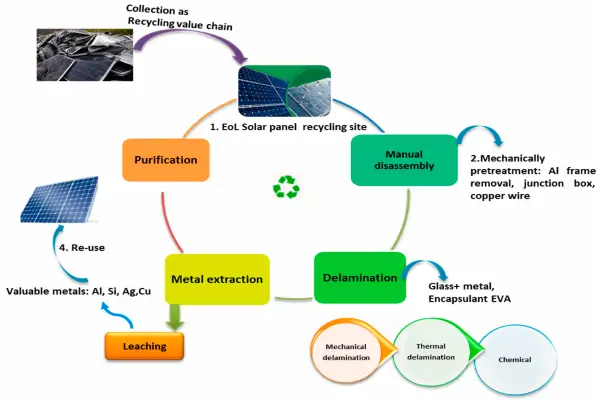
- Responsible e-waste management: Repairing, upgrading, refurbishing, or recycling computers and electronic equipment extends their useful life and reduces landfill waste.
- Remote collaboration technologies: Video conferencing, cloud collaboration platforms, and digital workflows can reduce commuting, office energy consumption, and paper usage when implemented effectively.
- Renewable-powered data centres: Many organisations now operate data centres using electricity generated from renewable sources such as solar and wind energy, helping reduce their overall carbon footprint.
These examples illustrate that sustainability can be integrated into almost every stage of technology development and deployment.
How Students Can Contribute
Engineering students do not need to wait until they begin their professional careers to support sustainable computing. Small initiatives during college can build valuable knowledge and practical experience.
Students can participate in workshops on sustainable software development, organise electronic waste collection drives, or collaborate on projects that measure the energy efficiency of different algorithms and applications. Hackathons focusing on climate technology and sustainability also provide opportunities to develop innovative solutions while working with multidisciplinary teams.
Learning the fundamentals of cloud cost optimisation and resource management is another valuable skill, as efficient cloud usage often improves both financial and environmental performance.
Even relatively simple projects can have meaningful impact. For example, developing an application that monitors electricity usage in hostels, classrooms, or laboratories can help institutions identify opportunities for energy conservation while giving students practical experience in Green IT concepts.
Conclusion
Green IT is no longer a specialised concept limited to environmental researchers. It is becoming a fundamental consideration in the way modern technology is designed, developed, and managed. As organisations continue their digital transformation, they increasingly expect engineers to create solutions that are not only innovative and reliable but also environmentally responsible.
Understanding sustainable computing provides engineering students with an important advantage, whether they pursue careers in software development, cloud computing, cybersecurity, artificial intelligence, or IT infrastructure management. By combining technical expertise with environmental awareness, future engineers can contribute to technologies that benefit both society and the planet.
The future of computing is not defined solely by faster processors or more powerful AI systems. It will also be shaped by responsible engineering practices that reduce environmental impact while delivering meaningful innovation. Every efficient algorithm, responsibly managed device, and sustainable technology solution represents a step towards a greener and more sustainable future.